
Fermentation Science 101
What makes fermented foods so powerful?

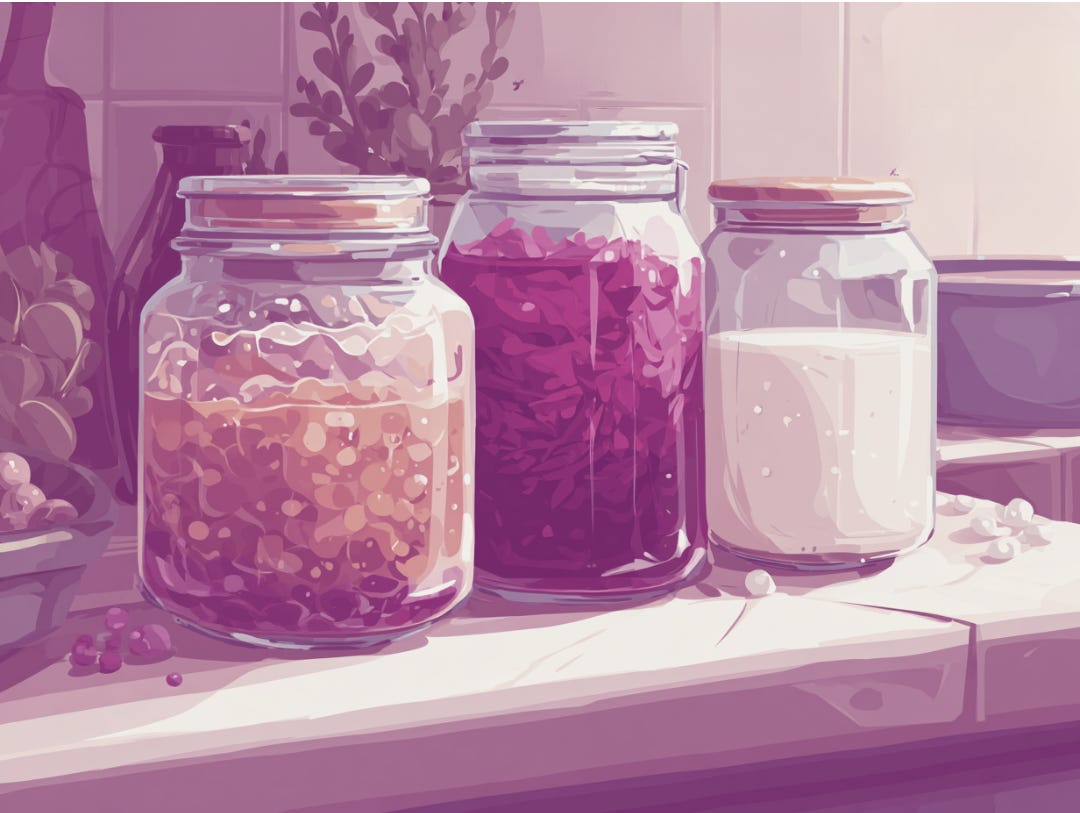
The first fizz of kombucha or the sharp scent of sourdough starter signals a microbial process that humans have practiced for thousands of years. These foods link us to traditions shaped by necessity, intuition, and biological complexity.
The gut is a dynamic ecosystem, and fermentation is one of nature’s original ways of nourishing that terrain. Long before the word “microbiome” became common, cultures around the world were using fermentation to preserve food, unlock nutrients, and support health.
But what makes fermented foods so beneficial? And why do many people report feeling clearer, more energized, and more resilient when fermentation becomes part of their routine?
Let’s look at the science behind fermentation, and what microbes leave behind.
Fermentation as Microbial Work
Fermentation is a microbial process. Bacteria and yeasts metabolize sugars and starches into acids and gases, transforming raw ingredients into nutrient-dense foods. This transformation not only preserves food but enhances its nutritional profile.
Microbes can increase the bioavailability of minerals like iron, calcium, and magnesium by breaking them down into more absorbable forms. These small changes can have meaningful physiological effects.
In many ways, this mirrors the role of microbes in our own bodies. Just as they break down food outside the body, they help us digest, absorb, and regulate from within.
Meet the Postbiotics
When we think of fermented foods, we often picture probiotics, which are the live microbes that support our gut. But equally important are the postbiotics, the metabolic byproducts microbes produce during fermentation.
Postbiotics are not alive, but they are highly active. These compounds include:
Short-chain fatty acids (SCFAs) like butyrate, acetate, and propionate, which help regulate inflammation and nourish colon cells
Organic acids such as lactic acid, which support gut pH and inhibit harmful bacteria
Peptides and amino acids that influence immune activity and cellular repair
Polysaccharides and other byproducts that support gut barrier integrity and microbial signaling
Bacterial cell wall fragments that train the immune system and reinforce tolerance
These postbiotics continue to affect the body even after the live microbes are no longer present, helping regulate immune responses and support gut function.
Microbial Gas and Fermentation
If you’ve ever opened a jar of kraut or kefir and heard the soft hiss of gas escaping, you’ve witnessed fermentation at work. Those bubbles are signs of microbial respiration. As microbes digest sugars, they release gases, some of which may act as signaling molecules in the body. These gases may seem incidental, but many have downstream effects, including roles in immune and cellular signaling.
That kind of biological activity might sound complex, but fermentation itself is very accessible. With just a few ingredients and a little patience, you can begin creating your own living foods at home.
Here are a few approachable recipes:
Beet Kvass: A mineral-rich tonic with lactic acid bacteria. Its postbiotic profile includes betaine, nitrates, and organic acids that may support liver function and circulation.
Fire Cider: A bold ferment made with immune-supportive herbs and raw apple cider vinegar. Useful during seasonal transitions.
Homemade Yogurt: A daily staple rich in live cultures and peptides. I use the Luvele Yogurt Maker for consistent results.
Fermentation as Microbial Collaboration
Fermentation reflects a long-standing relationship between humans and microbes, built through shared biology and cultural practice. It's a process that has shaped food, health, and ecology for millennia.
Whether it’s a homemade ferment or a well-crafted supplement, microbes process nutrients in ways we can’t, and we benefit from what they leave behind.
Start small. Try a batch. Notice what changes. This is hands-on microbiology that is accessible, practical, and human.
With gratitude,
Martha
Thank you for reading! Let’s keep the conversation going.
Here is all of my published work, prior to joining Substack.
My Companies:
At BiotiQuest, we take these discoveries and turn them into action with science-based, targeted probiotics designed to support gut balance, metabolism, and overall wellness: Click here to learn more.
With a mission to uncover the role of gut health in systemic conditions like Parkinson’s, The BioCollective bridges the gap between research and solutions that empower better health for all. Click here to learn more.